
Walking rehabilitation Equipment List

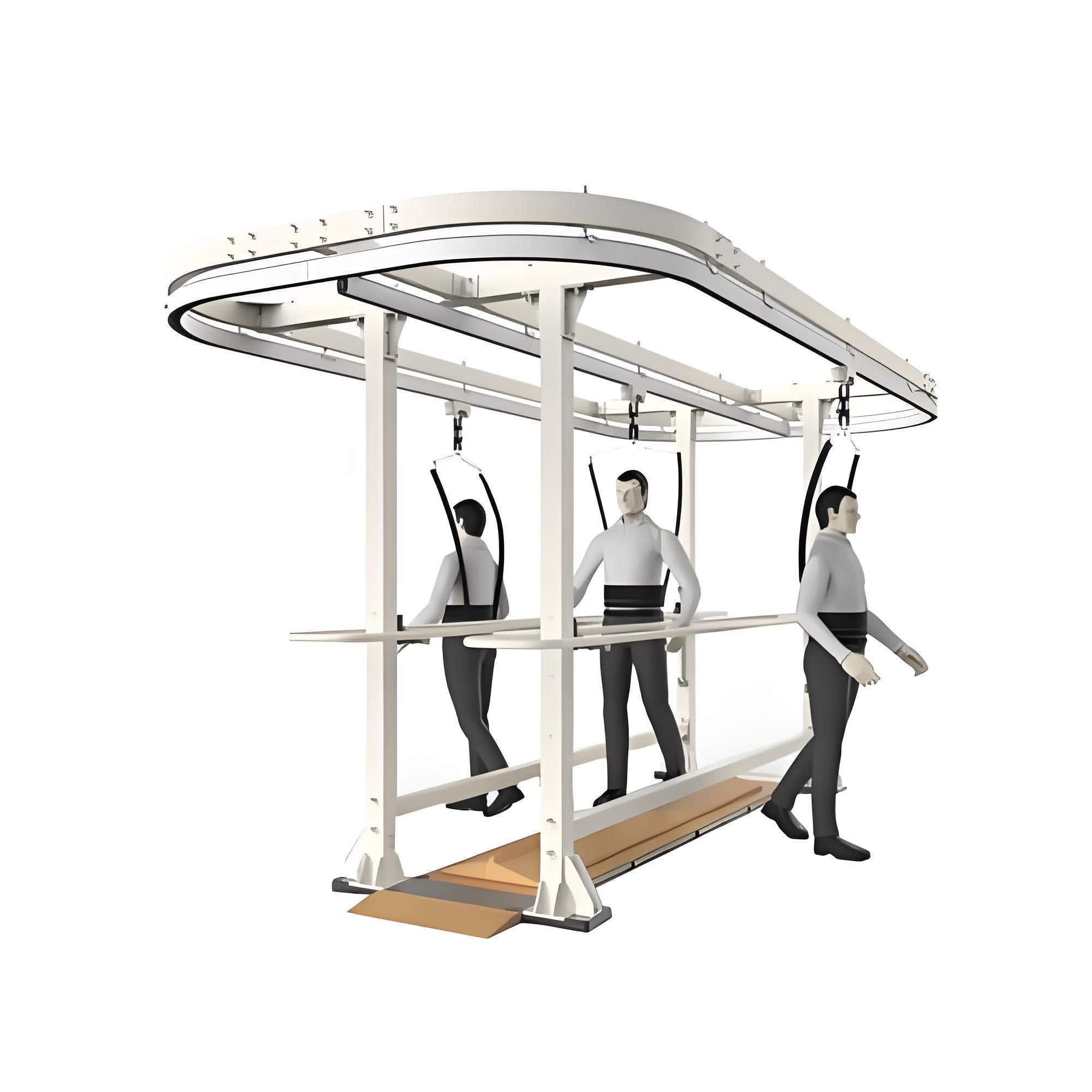
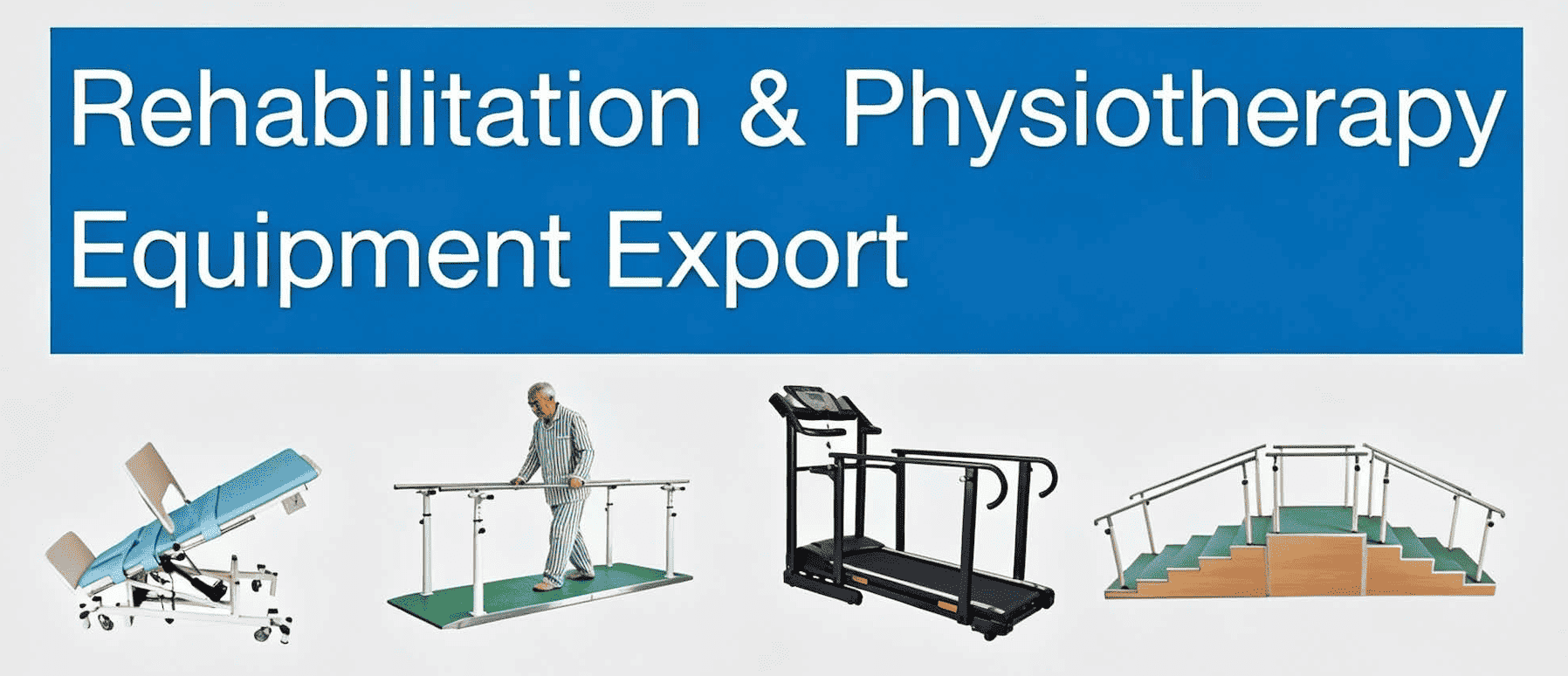
Walking Rehabilitation Equipment List With Pictures
TopMed provides multi rehabilitation & physiotherapy equipment for rehabilitation centre, clinic and rehabilitation room of hospital. Main products include rehabilitation equipment includes walking rehabilitation equipment, upper limb rehabilitation device, lower limb rehabilitation instruments, whole body physical therapy equipment, pediatric physio equipment, physiotherapy table, CPM machines, OT therapy equipment.
Who needs walking rehabilitation equipment?
Walking rehabilitation equipment is mainly suitable for people with walking difficulties, impaired balance or insufficient lower-limb strength caused by diseases or injuries. Selecting the right equipment not only assists walking but also serves as the key to safe rehabilitation and the restoration of walking ability.
The choice of equipment depends on the individual’s specific condition and rehabilitation stage.
People with nerve injuries or those recovering after surgery
Such individuals often need to relearn how to walk or require stable support to restore physical functions.
- Patients with stroke or spinal cord injury: In the early rehabilitation stage, parallel bars are commonly used for basic standing and stepping training to build balance and confidence. As recovery progresses, walkers or crutches may be used.
- Patients with lower-limb fractures or after joint replacement surgery: During recovery, assistive tools are needed to reduce load on the legs and ensure safe mobility. For example, walkers or specific types of crutches can be used to relieve pressure on the affected leg.
People with balance disorders or weakened muscle strength
For people with declining physical function due to aging or illness, walking aids are vital for fall prevention and maintaining mobility.
- Elderly people: For seniors with poor balance and weak legs, walkers provide stable support and reduce the risk of falls.
- Patients with arthritis or Parkinson’s disease: These conditions affect gait and stability, and walkers help them move more safely.
How to choose suitable walking rehabilitation equipment
The core selection principle is “matching individual needs”. Different equipment varies in stability and function. It is recommended to make the choice under the guidance of a doctor or physical therapist.
High stability requirements (early rehabilitation / poor balance)
- Parallel bars: Offer the most stable bilateral support and are ideal for practicing standing and stepping in the early stage of rehabilitation.
- Frame walker (non-wheeled): Delivers maximum stability, suitable for people who require maximum support and have certain upper-body strength.
Medium stability requirements (mid-stage rehabilitation / fair balance)
- Two-wheeled walker: The front-wheel design makes it easier to push, suitable for people who need partial weight-bearing support.
- Quad cane: More stable than a single crutch for flat-ground walking at home, providing extra support for people with poor balance.
Low stability requirements (late rehabilitation / mild assistance)
- Single cane: The most lightweight option for those who only need minor balance assistance and have made good recovery.
- Elbow crutches / axillary crutches: Effectively reduce lower-limb load, suitable for people after fracture surgery or those needing long-term walking assistance.
Precautions for use
- Professional assessment first: Before using any rehabilitation equipment, be sure to consult a doctor or rehabilitation therapist for professional assessment to determine the most suitable solution.
- Proper height adjustment: The height of equipment directly affects performance and safety. For example, the height of canes or crutches is usually adjusted to the level of the naturally dropped wrist.
- Gradual training: Rehabilitation is a progressive process. Increase training intensity and duration step by step, from static support to dynamic walking.
- Safety precautions: Especially in the early rehabilitation stage, it is best to be accompanied by family members or therapists when using equipment to prevent falls and other accidents.
Intelligent Physiotherapy Equipment
Walking Rehabilitation Equipment
Upper Limb Rehabilitation Equipment
Lower Limb Rehabilitation Equipment
Whole Body Rehabilitation Equipment
Pediatric Physiotherapy Equipment