
Роботлаштырылған атлау тренеры физиотерапия ҡорамалдары
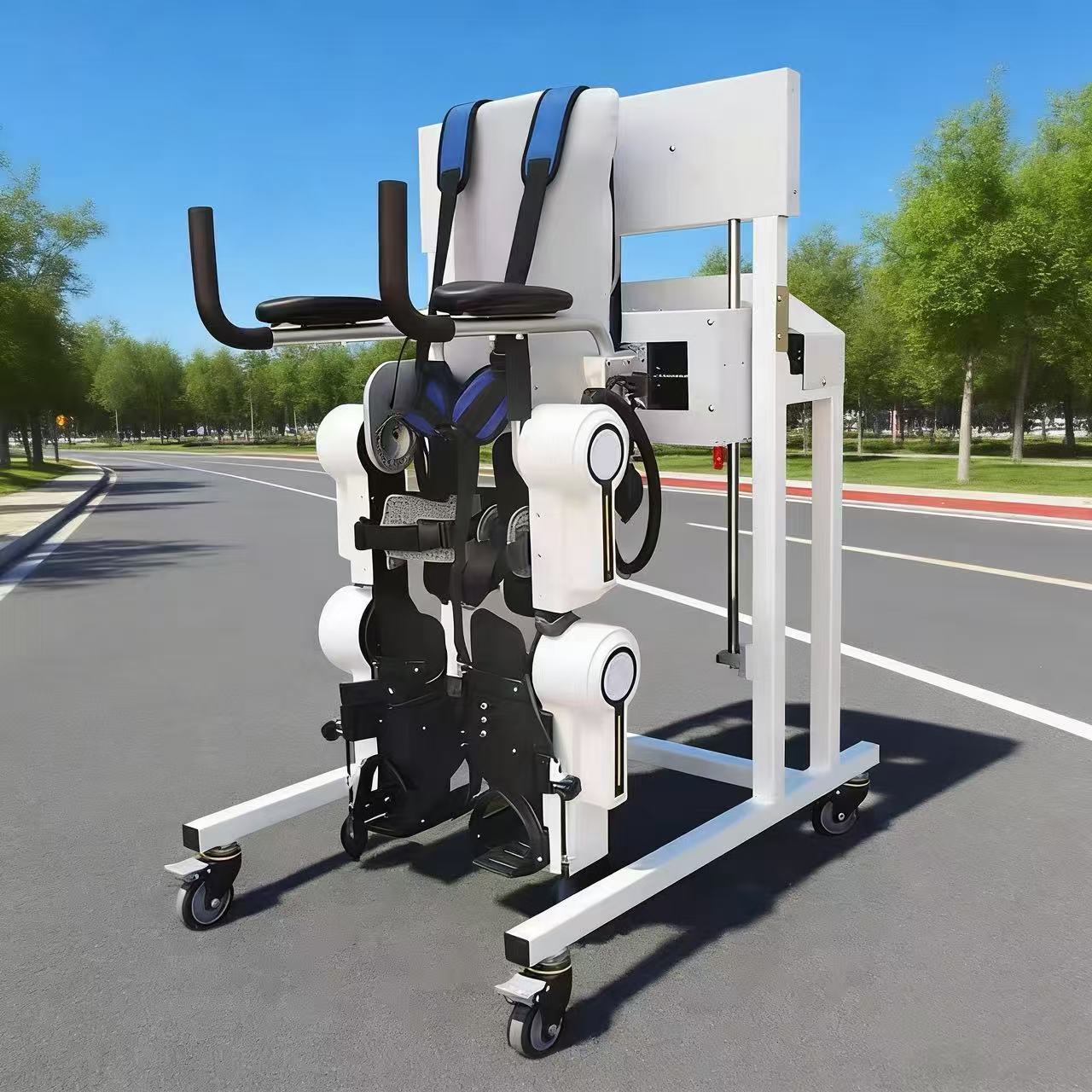
ТМ-РБТ Тышҡы портатив роботлаштырылған походка тренер өйҙә һәм реабилитация үҙәгендә киң ҡулланыла, был һеҙҙең ғаиләгә тышта йөрөргә ярҙам итә, паркта йөрөү, юлдан йөрөү, Һеҙҙең ғаиләгә йөрөү һәм баҫыу һәләтен нығытырға ярҙам итә, уларға ышаныс һәм бәхет килтерегеҙ.
Менән 3 өйрәтеү алымдары: Баҫып торған ., йөрөү, ултырыу, ерҙә йөрөү, урынында тороу (бер аяҡ ., ике аяғы ла .)
80см-ҙан 190см-ға тиклем бейеклеккә яраҡлы
Роботлаштырылған атлау тренеры физиотерапия ҡорамалдары
Overview of robotic gait trainer
Robotic gait trainer is based on the principle of neural remodeling, combined with sitting, standing and walking, it can realize the functions of landing walking and standing in situ (бер аяҡ ., and two legs). The mechanical leg can drive patients to complete a large number of repeated physiological gait training, enhance muscle strength, and restore joint motion. In addition, a hand controller can be added for patients to start and turn by themselves, and restore the proprioception during walking to a greater extent.
Scope of application
- Postoperative patient group: patients in cardiology, orthopedics, neurology, obstetrics, such as postoperative respiratory insufficiency caused by coronary artery bypass surgery,venous thromboembolism caused by thick joint replacement, һ. б..
- Elderly and chronic disease groups: including physical function disability, organ dysfunction and physiological / pathological aging, such as chronic cardiopulmonary disease, cerebrovascular disease, hypertension, malnutrition, activity restriction caused by Parkinson’s disease or Alzheimer’s disease, cognitive impairment, falls and gait disorders, һ. б..
- Neurorehabilitation patients: stroke, brain injury, spinal cord injury and other neurological diseases
Сифаттар
- Training methods: Баҫып торған ., йөрөү, ултырыу, ерҙә йөрөү, урынында тороу (бер аяҡ ., ике аяғы ла .)
- 80см-ҙан 190см-ға тиклем бейеклеккә яраҡлы
- Load capacity: 160кг
- Passive training mode and In stationary walking mode1) In passive training mode, the robot drives the user to perform forward walking exercises. Under this mode, the robot joints generate significant force output, which is suitable for muscle training. Adjustable stride speed and stride heightUsers needs weak power on their legs2) In the stationary walking mode, the robot guides users to perform regular stationary walking exercises while providing auxiliary force. Adjustable step speed
Robotic gait trainer helps your family walk outside, паркта йөрөү, walk on road, Һеҙҙең ғаиләгә йөрөү һәм баҫыу һәләтен нығытырға ярҙам итә, уларға ышаныс һәм бәхет килтерегеҙ.
Аҡыллы физиотерапия ҡорамалдары
Йөрөү реабилитацияһы ҡорамалдары
Өҫкө аяҡ-ҡулдарҙы реабилитациялау ҡорамалдары
Аҫҡы аяҡ-ҡулдарҙы реабилитациялау ҡорамалдары
Whole Body Rehabilitation Equipment
Бәйләнешле продукция
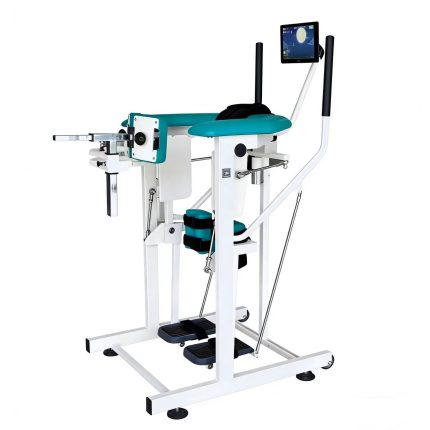
Координация бәйләнгән физиотерапия ҡорамалдары
- Кеше-компьютер үҙ-ара эш итеү системаһы менән
- Ҡул һәм аяҡтың координацияһын реабилитациялау өсөн махсус тренажер
- Микромотор приводы, механик ҡоролма проектлау, аҡыллы материал һайлау, юғары теүәллек, шыма эшләү
- Микрокомпьютер һанлы идара итеү дизайны менән интеллектуаль программа тәьминәте
- Ҙур экранлы ЖК-дисплей, бөтә параметрҙар бер ҡараштан, медицина клиник тикшеренеүҙәре өсөн уңайлы.
- Берлектәге хәрәкәттең ҙур диапазоны ., хәрәкәткә яраҡлашыусанлыҡ диапазонының артыуы, дауалау ихтыяждарын тулыһынса иҫәпкә алып.
- Аҡыллы структура проектлау, мөйөш тиҙлегенең аҡыллы бүлелеше.
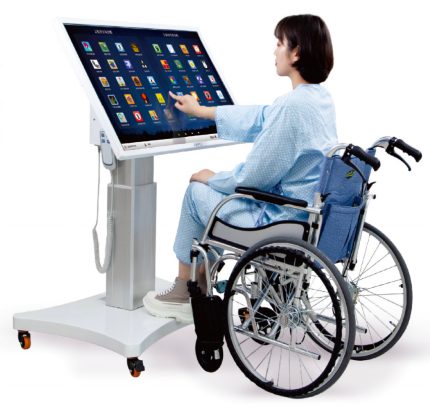
digital OT physiotherapy exercise equipment
SG2 Digital OT rehabilitation exercise equipment provide more than 50 kinds of exercises including hand-eye coordination training and brain function training.Cognitive training and other interactive interactive training modes.Able to perform finger fine motor control training, upper limb motor function training and evaluation records.
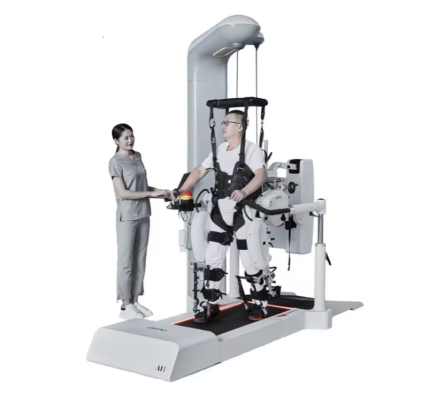
High-end robotic gait trainer rehabilitation device
AI1 Active and passive training consistent with natural step to gait Orthosis
• Dynamic body weight support, simulates changes of body focus during real walking
• Spasticity monitoring & protection can effectively ensure the safety and reliability of patients’ rehabilitation training.
• Situational interactive module makes patient training more interesting and stimulates active participation.
• With 3 models of chest & abdominal straps,7 types of leg straps,
Crotch straps can be selected according to gender, to meet the needs of patients of different heights, body shapes, and genders.
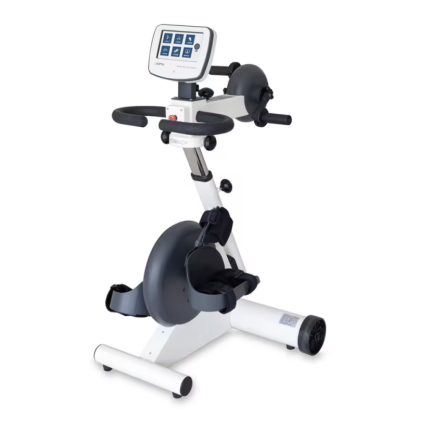
Интеллектуаль актив пассив аяҡ-ҡулдарҙы реабилитациялау ҡорамалдары
K2000A әүҙем пассив реабилитация тренеры
- Өҫкө һәм аҫҡы аяҡ-ҡул өсөн күп функциялы, һәм 3 өҫкө аяҡ-ҡул өсөн төрлө күнекмәләр позаһы
- Микромотор приводы, механик ҡоролма проектлау, аҡыллы материал һайлау, юғары теүәллек, шыма эшләү, түбән тауыш, оҙон ғүмер.
- Микрокомпьютер һанлы идара итеү дизайны, һәм интеграцияланған компоненттарҙы ҡулланыу, ҙур ҡөҙрәтле импортланған процессор үҙәк эшкәртеү блогы, интеллектуаль программа тәьминәте, һәм артыҡ әйләнеш моменты артыҡ йөкләнештән һаҡлау функцияһына эйә.
- Ҙур экранлы ЖК-дисплей, бөтә параметрҙар бер ҡараштан, медицина клиник тикшеренеүҙәре өсөн уңайлы.
- Берлектәге хәрәкәттең ҙур диапазоны ., хәрәкәткә яраҡлашыусанлыҡ диапазонының артыуы, дауалау ихтыяждарын тулыһынса иҫәпкә алып.
- Аҡыллы структура проектлау, мөйөш тиҙлегенең аҡыллы бүлелеше.
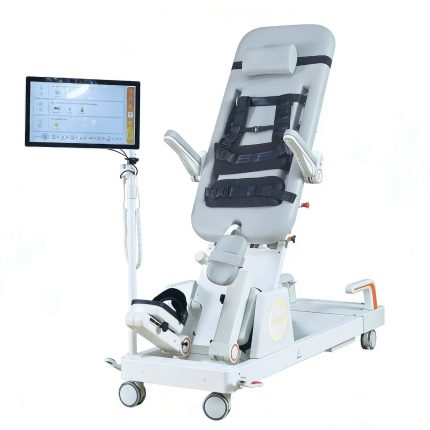
Интеллектуаль физиотерапия ҡорамалдары эйелгән өҫтәл .
Х8 Интеллектуаль физиотерапия ҡорамалдары эйелеү өҫтәле инсульт менән ауырығандарҙы реабилитациялау өсөн, пациенттарҙы яҡшыртыу’ аяҡ көсө һәм хәрәкәтсәнлек, йөрөү һәм баҫып тороу һәләтен арттырыу. Ул баһалау менән баһалау системаһы һәм төп тороп өйрәтеү һәм приседание өйрәтеүҙе үҙ эсенә ала, ауырыуҙарҙы хәүефһеҙ тәьмин итеү, динамик, бай һәм шәхси яңы аҫҡы аяҡ-ҡулдарҙы реабилитациялау ҡарар
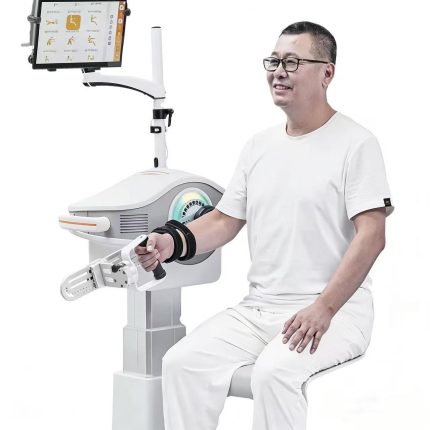
Өҫкө һәм аҫҡы аяҡ-ҡулдар өсөн интеллектуаль реабилитация ҡорамалдары
А14 Интеллектуаль физиотерапия реабилитациялау ҡоролмаһы
Менән 10 типтары төрлө постуляр тренинг һайлау, елкә быуыны өсөн, йоҙроҡ быуыны, беләк быуыны, тояҡ быуыны, тубыҡ быуыны, янбаш быуыны
Менән 3 төрҙәре төрлө уҡытыу алымдары
Кеше-компьютер интерактив системаһы менән
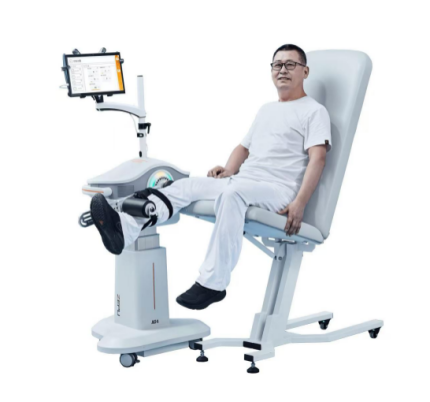
Multifunctional hand leg intelligent rehabilitation equipment
А14 Интеллектуаль физиотерапия реабилитациялау ҡоролмаһы
Менән 10 типтары төрлө постуляр тренинг һайлау, елкә быуыны өсөн, йоҙроҡ быуыны, беләк быуыны, тояҡ быуыны, тубыҡ быуыны, янбаш быуыны
Менән 3 төрҙәре төрлө уҡытыу алымдары
Кеше-компьютер интерактив системаһы менән
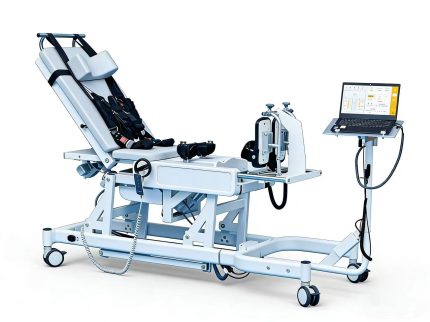
Йөрөү тороп реабилитация эйелеү өҫтәле
Х8 Интеллектуаль кире бәйләнеш уҡытыу һәм баһалау физиотерапия эйелеү өҫтәл өсөн аҫҡы аяҡ-ҡулдарының берлектәге реабилитацияһы уҡытыу.
1. Аяҡ һығылыу һәм оҙайтыу диапазоны һәм йөрөү тиҙлеге тренинг маҡсаттары буйынса ҡуйырға мөмкин .
2. Интеллектуаль контроль системаһы контролдә тота ала аҙым хәрәкәте пациенттар’ физиологик атлау ҡойроғо .
3. Интеллектуаль физиотерапия өҫтәле әүҙем һәм пассив күнекмәләр режимына эйә
4. Спазмды күҙәтеү системаһы менән
5. Өс уҡыу вазифаһы ., шул иҫәптән ятҡан килеш, ултырыу һәм баҫыу
6. Пациенттар менән идара итеү, һәр пациент’ уҡытыу мәғлүмәттәрен теркәргә мөмкин .