
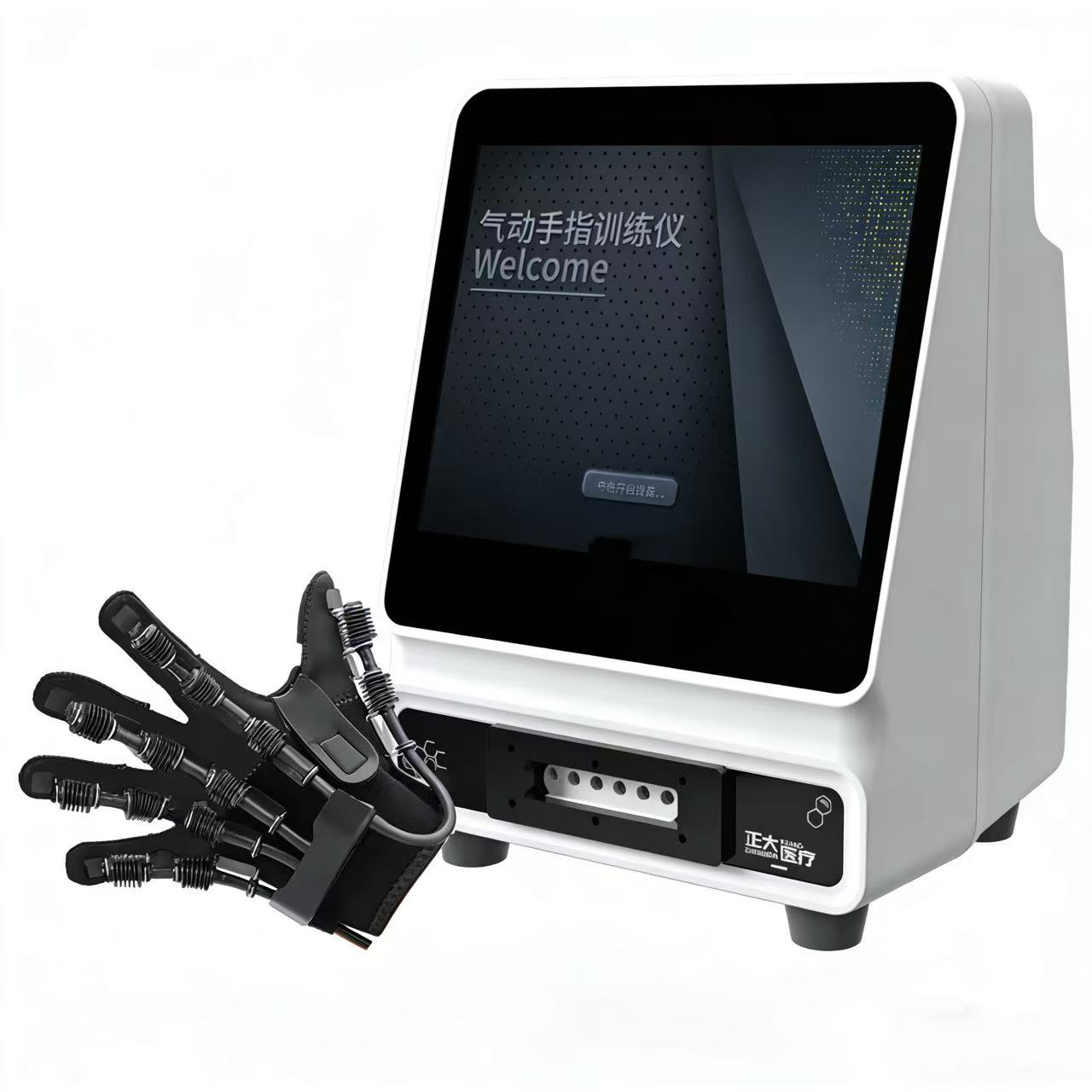
Robotic pneumatic finger physiotherapy equipment
- 4 training modes: Manual mode, automatic mode, simulated catch, opposite finger mode
- Each finger can exercise separately or together
- The left and right fixed hand can be interchanged easily, be easy to operate the machine
- Configuração de controle da CPU , retornar automaticamente para proteção contra sobrecarga
- Configuração de exibição de tela LCD colorida
- Retorne automaticamente para proteção de segurança
- Amplitude de ângulo de movimento : 0°~150°
- Bandagem macia para fixar a articulação do dedo com máquina
Robotic pneumatic finger physiotherapy device
Principle
This robotic pneumatic finger physiotherapy device mainly uses the pneumatic bionic muscle as the power source, through repeated inflation and pumping to drive the bionic muscle on the gloves to expand and contract, thus driving the gloves to pull the fingers to complete the flexion and extension movement of the finger joints.
Advantages
- 4 training modes: Manual mode, automatic mode, simulated catch, opposite finger mode
- Each finger can exercise separately or together
- The left and right fixed hand can be interchanged easily, be easy to operate the machine
- Configuração de controle da CPU , retornar automaticamente para proteção contra sobrecarga
- Configuração de exibição de tela LCD colorida
- Retorne automaticamente para proteção de segurança
- Amplitude de ângulo de movimento : 0°~150°
- Bandagem macia para fixar a articulação do dedo com máquina
Training modes
- Manual mode: manually select the finger needing treatment
- Automatic mode: 5 fingers automatically cycle in order, without manual selection
- Simulated ball grasp mode: 5 fingers extend and shrink at the same time, without manual selection
- Finger mode: the thumb, ring finger and middle finger should extend and shrink at the same time,without manual selection

Aplicativo
This instrument is mainly used for hand dysfunction caused by stroke, hand trauma, braininjury, spinal cord injury, orthopedic surgery, cerebral palsy and other diseases.
Equipamento Inteligente de Fisioterapia
Equipamento de reabilitação para caminhada
Equipamento de reabilitação de membros superiores
Equipamento de reabilitação de membros inferiores
Equipamento de reabilitação de corpo inteiro
Produtos relacionados
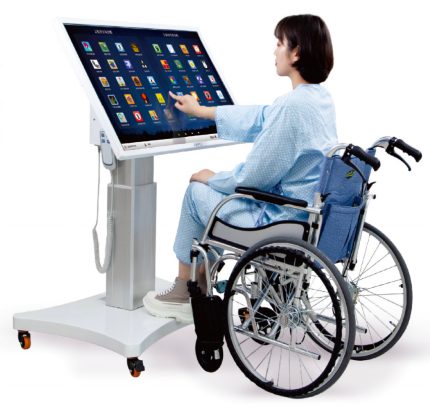
digital OT physiotherapy exercise equipment
SG2 Digital OT rehabilitation exercise equipment provide more than 50 kinds of exercises including hand-eye coordination training and brain function training.Cognitive training and other interactive interactive training modes.Able to perform finger fine motor control training, upper limb motor function training and evaluation records.
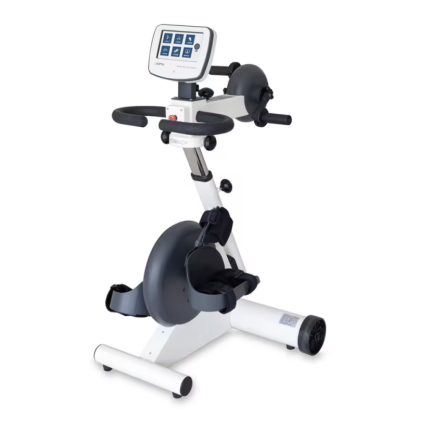
Intelligent active passive limb rehabilitation equipment
K2000A active passive rehabilitation trainer
- Multifunctional for upper limb and lower limb, and 3 different training posture for upper limb
- Micro motor drive, mechanical structure design, reasonable material selection, high precision, smooth operation, baixo ruído, long life.
- Microcomputer digital control design, and the use of integrated components, large capacity imported CPU central processing unit, intelligent software programming, and has the function of over-torque overload protection.
- Large screen LCD backlight display, all parameters at a glance, convenient for medical clinical research.
- Large range of joint motion, increased range of motion adaptability, fully considering the needs of medical treatment.
- Reasonable structure design, reasonable distribution of joint Angle velocity.
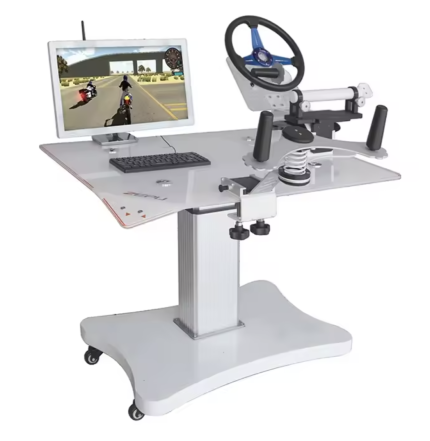
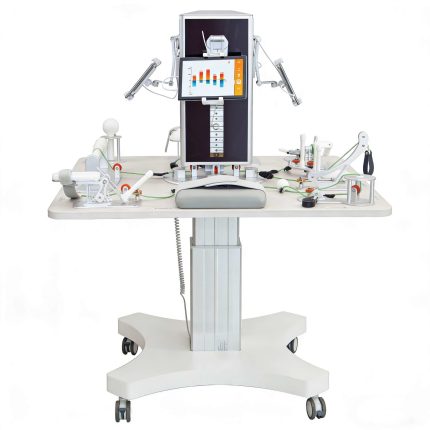
Intelligent OT rehabilitation table
SG3 Intelligent upper limb OT rehabilitation physiotherapy device
Intelligent upper limb OT rehabilitation physiotherapy device training System is a comprehensive functional rehabilitation evaluation and training system for upper limbs, focusing on the evaluation and training of coarse upper limb movements and fine hand movements. It adopts international standard evaluation methods, uses fast and accurate data collection, and utilizes precise and accurate hardware equipment to test the range of upper limb movement, train the active joint range of motion, and conduct cognitive training after nerve injury. It can also output clinical reports and analyze the reports, Facilitate medical staff to evaluate the patient’s recovery status and develop the next step of rehabilitation guidance plan.
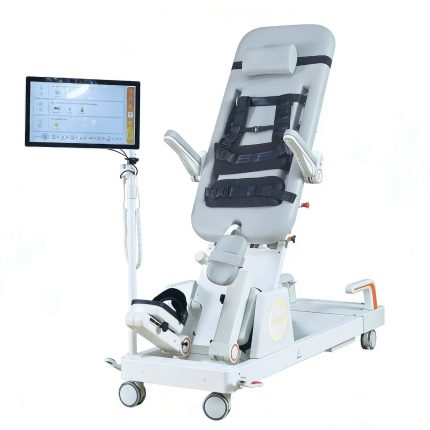
Intelligent physiotherapy equipment tilt table
X8 Intelligent physiotherapy equipment tilt table is for stroke patients rehabilitation, improve patients’ leg strength and mobility, enhance patients’ walking and standing ability. It is with assessment evaluation system and covers basic standing training and squat training, proporcionando aos pacientes um ambiente seguro, dinâmico, nova solução rica e personalizada de reabilitação de membros inferiores
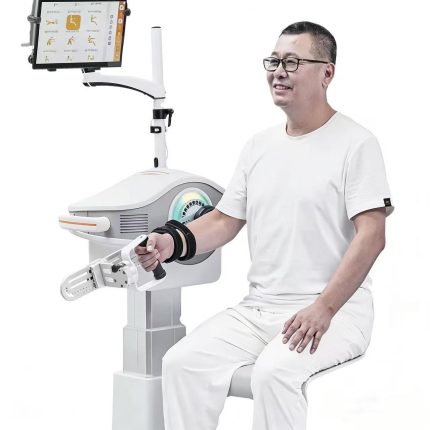
Intelligent rehabilitation equipment for upper limb and lower limb
A14 Intelligent physiotherapy rehabilitation device
With 10 types different postural training choices, for shoulder joint, elbow joint, wrist joint, ankle joint, knee joint, hip joint
With 3 types different training methods
With human-computer interactive system
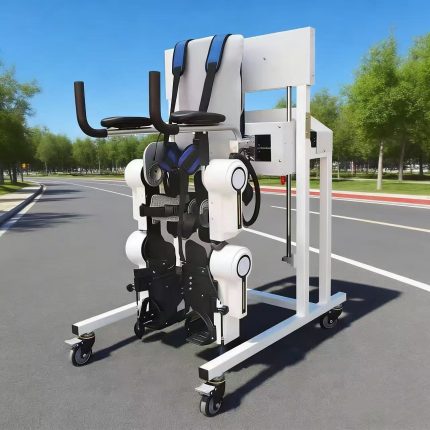
Robotic gait trainer physiotherapy equipment
TM-RBT Outside portable robotic gait trainer is widely used at home and rehabilitation center, it helps your family walk outside, walk in park, walk in road, helps your family strength their walking and standing ability, bring them confidence and happiness.
With 3 training methods: Standing, walking, sitting, walking on the ground, standing in place (one leg, both legs)
Suitable for height from 80cm to 190cm
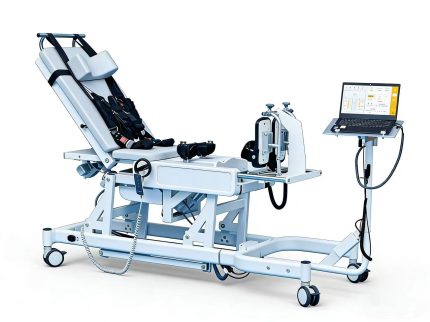
Walking standing rehabilitation tilt table
X8 Intelligent feedback training and evaluation physiotherapy tilt table is for lower limb joint rehabilitation training.
1. Leg flexion and extension range and walking speed can be set according to training goals
2. Intelligent control system can control the stepping movement by patients’ physiological gait curve
3. Intelligent physiotherapy table has active and passive training modes
4. With spasm monitoring system
5. Three training positions, including supine, sitting and standing
6. With patient management, each patients’ training data can be recorded