Standing rehabilitation frame
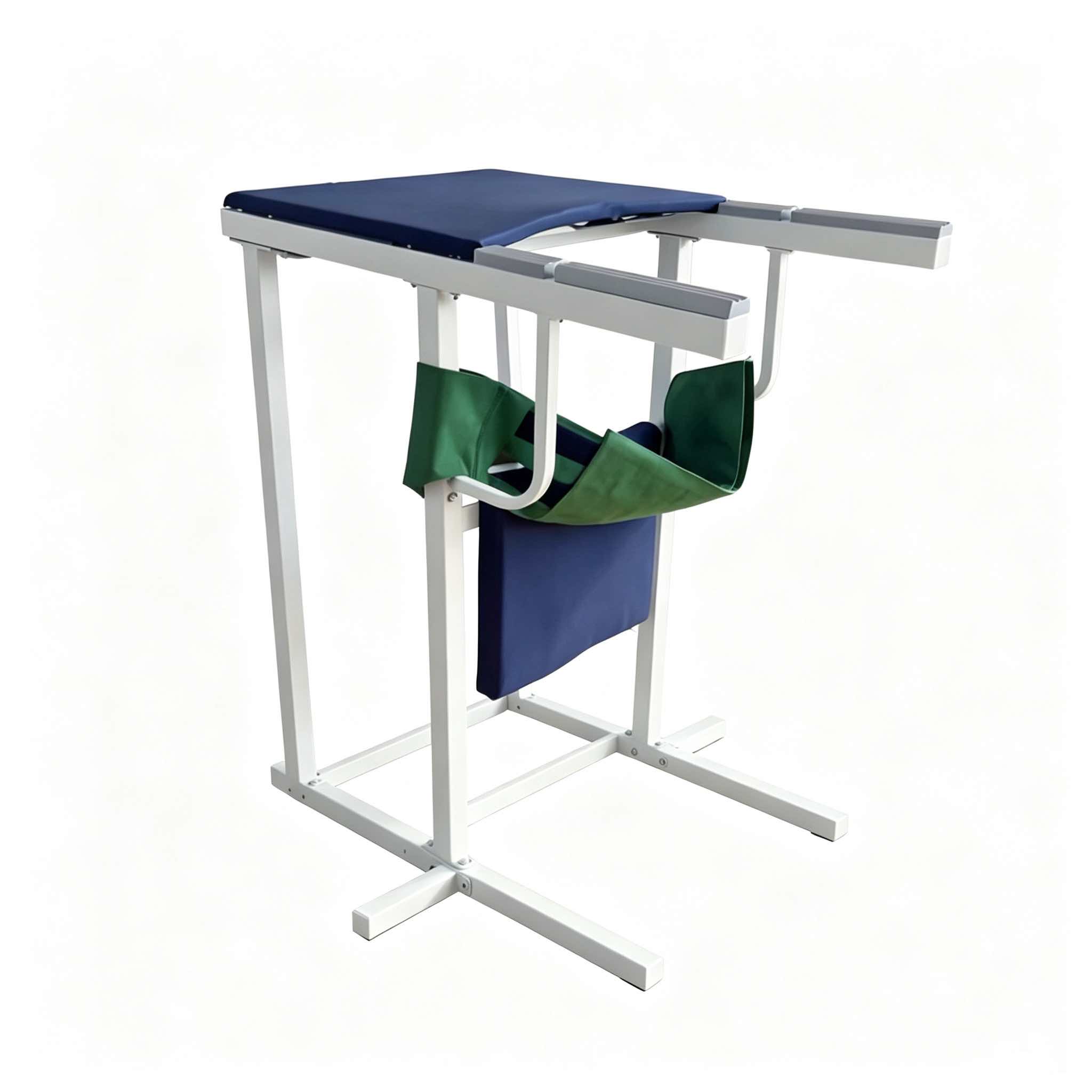
Home & clinic single person standing rehabilitation frame. Safe upright standing trainer for stroke hemiplegia, cerebral palsy and spinal cord injury patients. Prevents muscle atrophy, joint contracture and bedridden complications.
Single-Person Standing Rehabilitation Frame
Overview of single-person standing frame
The single-person standing rehabilitation frame is specially developed for patients who have difficulty standing independently. It provides stable body support to help users carry out passive and active standing training.
It is widely used for stroke hemiplegia, cerebral palsy, spinal cord injury, lower limb paralysis and patients who are bedridden for a long time. Regular standing training helps maintain bone density, reduce pressure sores and improve gastrointestinal function.
Key Features
✅ Full Body Safety Support
Equipped with chest padded support and adjustable hip sling, fix the torso and hips steadily, avoid falling during training. The soft padding reduces pressure and brings comfortable experience.
✅ Stable Heavy-duty Frame
Solid metal square tube structure with widened anti-slip base, strong load-bearing, no shaking during standing practice.
✅ Adjustable Design
The height of the chest support can be adjusted to fit users of different heights. Easy to assemble and operate, suitable for both clinic and home rehabilitation.
✅ Simple Operation
Caregivers can help patients get on the frame quickly. Suitable for long-term daily standing training.
Applications & Benefits
• Prevent lower limb muscle atrophy and joint contracture caused by long-term bed rest
• Improve blood circulation and relieve orthostatic hypotension
• Maintain bone density and reduce the risk of osteoporosis
• Promote gastrointestinal and urinary system function
• Improve patients’ mental state and quality of life
Specifications of standing frame
• Material: High-strength metal frame + thick sponge + durable fabric
• Applicable User: Patients with hemiplegia, cerebral palsy, spinal cord injury, lower limb movement disorder
• Scene: Rehabilitation hospital, physiotherapy clinic, home rehabilitation
• Assembly: Simple assembly required
Notes
1. Please evaluate the patient’s physical condition before use. Follow the guidance of physiotherapists.
2. Caregiver accompaniment is required during the whole training process.
3. Adjust the straps and support pads properly to avoid excessive compression on the body.
Intelligent Physiotherapy Equipment
Walking Rehabilitation Equipment
Upper Limb Rehabilitation Equipment
Lower Limb Rehabilitation Equipment
Whole Body Rehabilitation Equipment
Related products
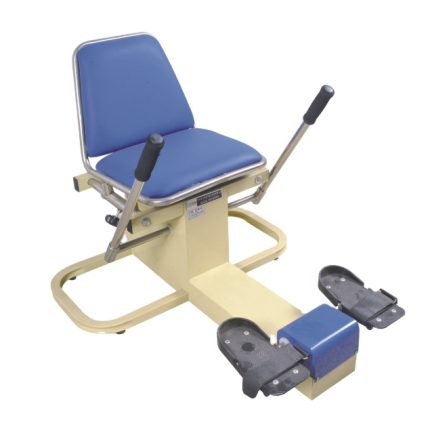
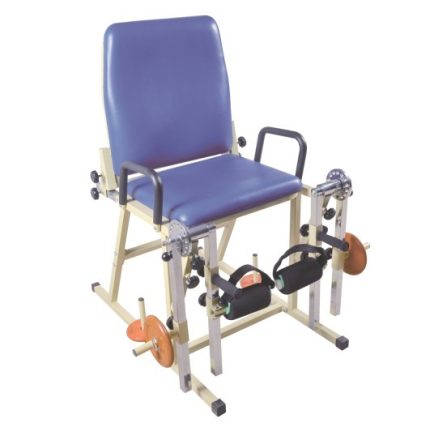
Ankle joint rehabilitation chair
The ankle joint rehabilitation chair is specially built for ankle functional recovery. It allows patients to complete ankle joint training in a comfortable sitting position.
It is widely used for rehabilitation after ankle fracture, ankle sprain, post-stroke hemiplegia, joint stiffness and limited ankle mobility. Regular training helps reduce joint adhesion, improve ankle flexibility and restore walking ability.
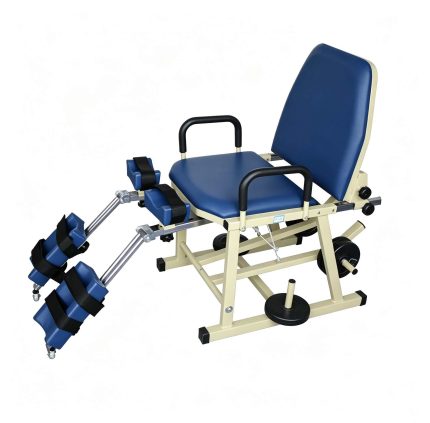
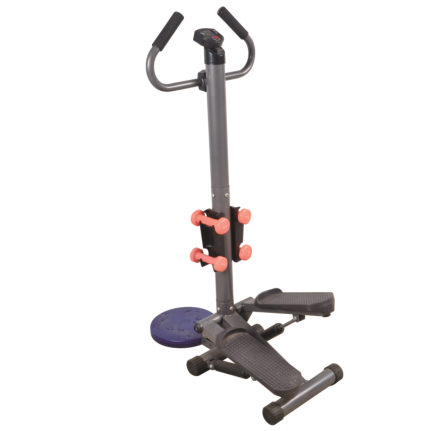
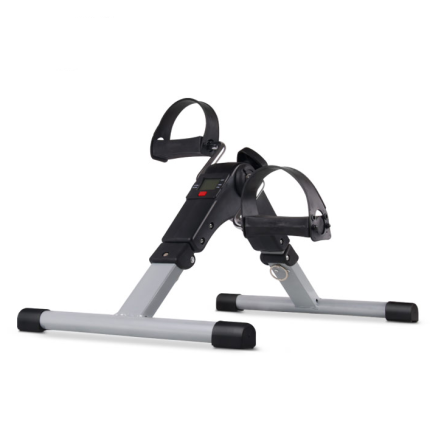
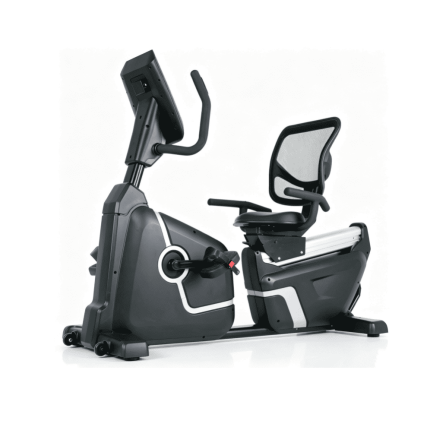
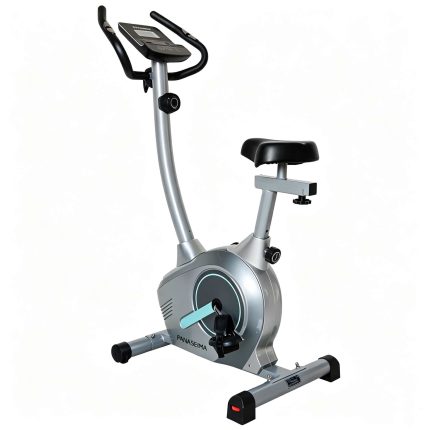
Physiotherapy rehabilitation bicycle
- 12 programs, 24 sports modes, flywheel weight 14KG, electromagnetic control, self-generation system; 32-stage resistance adjustment, maximum resistance 500 watts.
- Assembled Size: 1580×640×1300 mm
Packing Size: 1720×670×920 mm
Display: Speed, Time, Calories, Heart
Rate, etc.
Resistance Level: 32 levels magnetic
resistance adjustment
Net Weight: 100 KG
Max User Weight: 150 KG
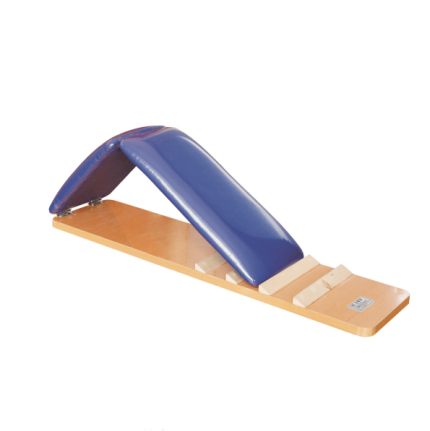
Quadriceps femoris rehabilitation board
This quadriceps femoris board is a professional rehabilitation device, designed to strengthen the quadriceps muscle of the thigh. It is widely used for knee postoperative recovery, hemiplegia rehabilitation and muscle atrophy training. The adjustable wooden blocks help customize training intensity for patients