Wrist rotation rehabilitation products
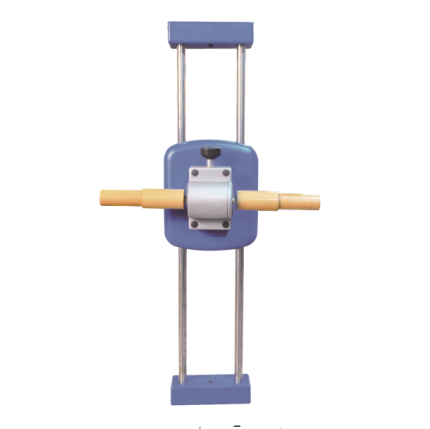
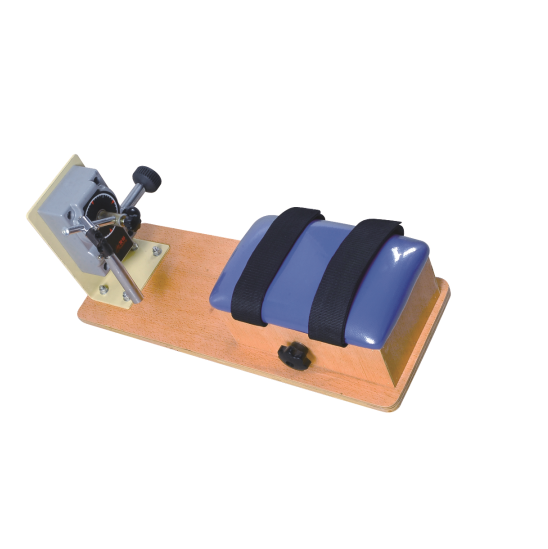
Wrist rotation rehabilitation product is used to improve moving ability of wrist in all direction and muscle strength exercise.
Wrist rotation rehabilitation products
Type: rehabilitation equipment
Function:
It is used to improve moving ability of wrist in all direction and muscle strength exercise.
Spécification:
Dimension: 620mm×220mm×285mm
Weight: 13kilos
Adjustment distance from handle to rotation axis: 70mm
Forearm pad movement distance: 105mm
Damping torque / N • cm: ≥980
Matériel: Stainless steel, chromium-plated part, Anti-static plastic coating.
Features
1. The handle and rotating parts are stable when rotating without obvious radial runout, axial movement or jamming.
2. The distance adjustment between the handle and the rotating shaft should be convenient and reliable, and the adjustment range should comply with the basic parameter table. Damping adjustment should be convenient and effective.
3. The forearm pads of the training device should be easy to move and reliable to lock, and the range of movement should comply with the basic parameter table.
4. The straps of the training device should be easy to use and securely fastened.
Training
1.The trainer can adjust the distance of the forearm pads appropriately and lock the bolts as needed.
2. Adjust the damping value properly, place the forearm on the forearm cushion, and hold the handle for wrist rotation training.
3. Before using the training device, you should read the product instruction manual in detail, be familiar with the performance, requirements and operation methods of the product, and confirm that the training device is firmly installed before training.
4. Orderly exercises should be carried out under the instruction or help of a rehabilitation therapist or nursing staff. Observe the “step by step” principle and gradually increase the training intensity or training time according to the specific situation of the trainer.
| Type | Matériel de rééducation |
| Product name | Medical wrist rehabilitation equipment |
| Function | Used for wrist rehabilitation training |
| Application | Rehabilitation center, hospital, clinic |
| Matériel | Steel frame, steel |
| MOQ | 1 pièces |
Catalog
Équipement de physiothérapie intelligent
Équipement de rééducation à la marche
Équipement de rééducation des membres supérieurs
Équipement de rééducation des membres inférieurs
Équipement de rééducation du corps entier
Produits associés
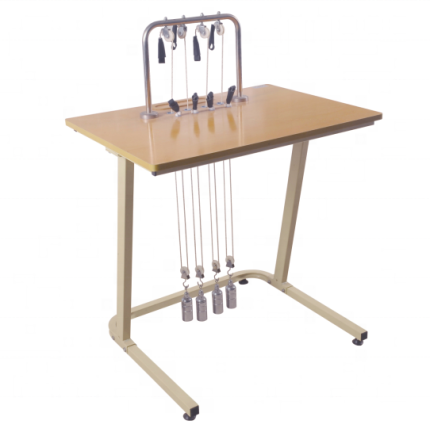
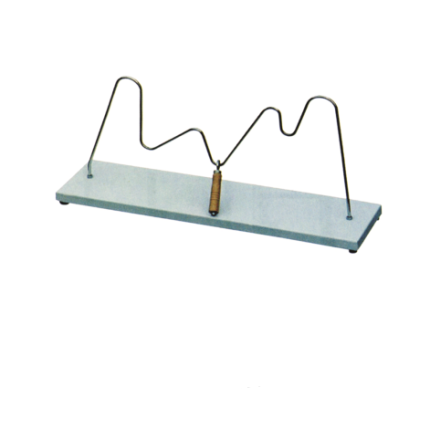
Entraîneur en rééducation de la coordination des mains
Cet entraîneur de labyrinthe de fils de rééducation des mains est conçu pour améliorer la coordination œil-main, contrôle moteur fin et stabilité des membres supérieurs. Les patients guident la poignée coulissante le long du rail métallique incurvé., aidant à restaurer le mouvement du poignet et de l'avant-bras, largement utilisé dans les centres de physiothérapie et les hôpitaux.
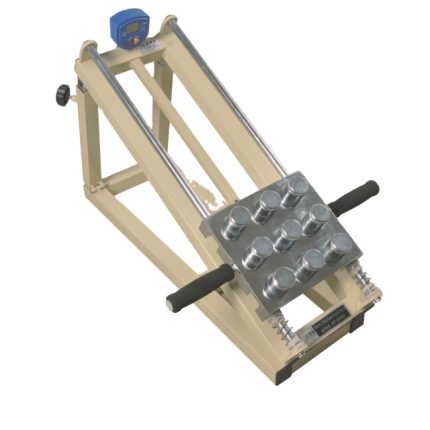
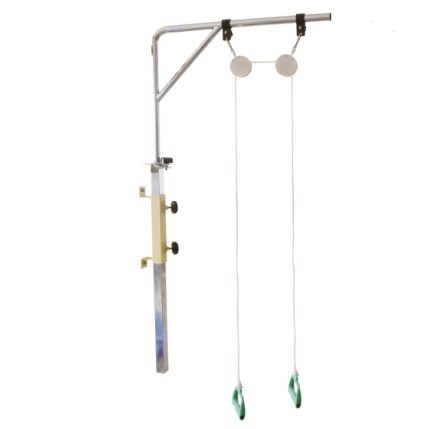
Équipement de physiothérapie à poulie d'épaule
- Utilisations principales :
- Conçu pour l'entraînement de rééducation des membres supérieurs et des articulations de l'épaule .
- Aide les patients à utiliser leur bras non affecté pour guider et tirer le bras affecté, favoriser la mobilité articulaire, étirage, et récupération de la force musculaire.
- Couramment utilisé pour l'épaule gelée (capsulite adhésive) récupération, rééducation postopératoire de l'épaule, et assistance aux membres supérieurs après un accident vasculaire cérébral ou une hémiplégie.
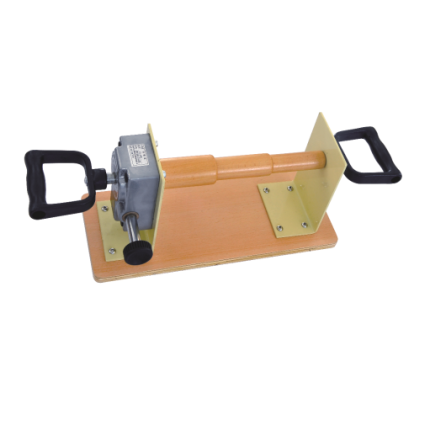
Wrist exercise rehabilitation equipment
Main Uses
- Improving Forearm Rotation : It helps exercise the pronation and supination movements of the forearm by rotating the handle.
- Wrist and Muscle Strength Training : It is used to train the range of motion for wrist flexion/extension and to recover upper limb muscle strength.
- Rehabilitation Therapy : It is frequently utilized for upper limb functional training following fractures, hand or wrist injuries, and for stroke patients with hemiplegia.