
Lower limb rehabilitation equipment list

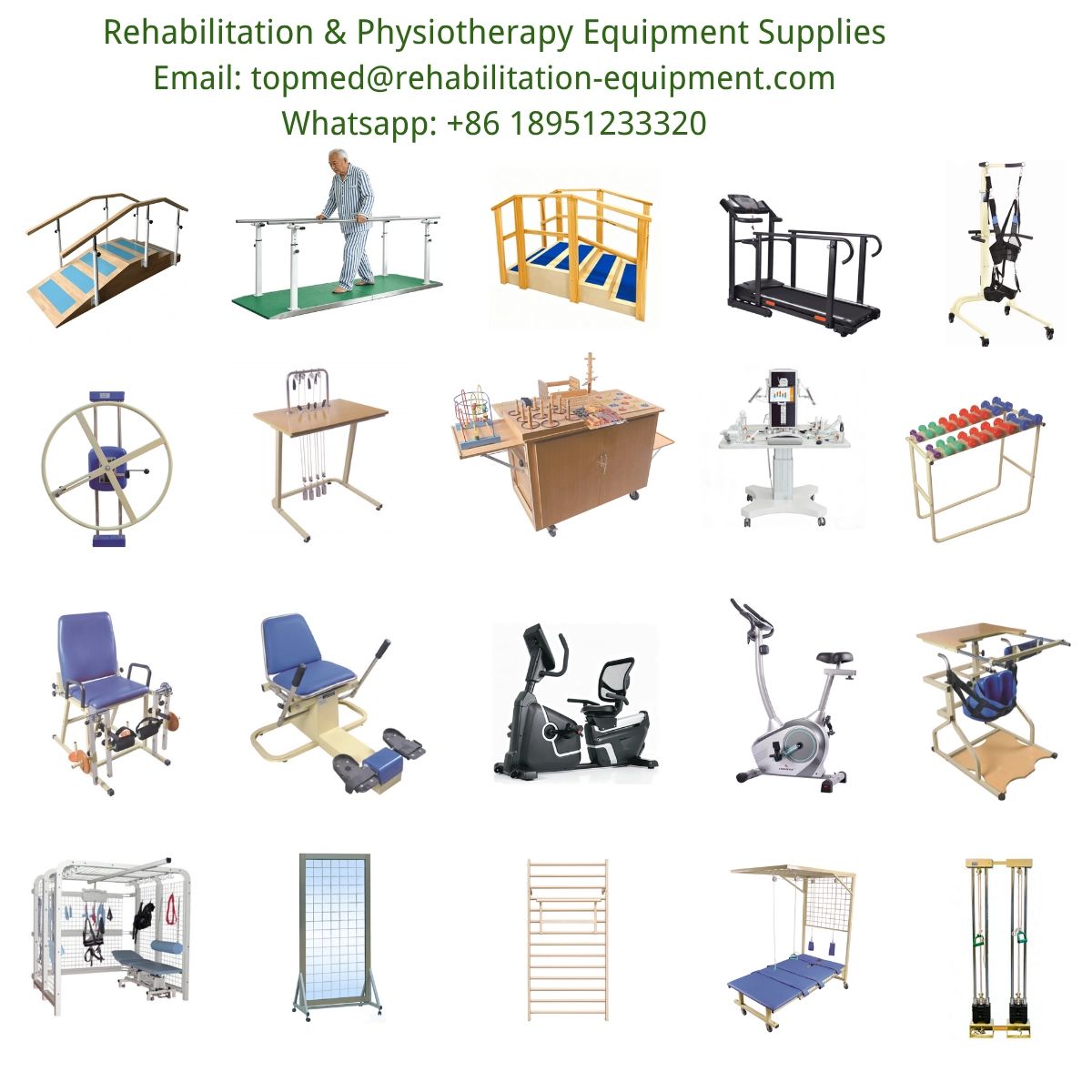
Selection of Lower Limb Rehabilitation Training Equipment
Refer to professional medical websites and real clinical experience.
When choosing lower limb rehabilitation training equipment, the core principle is to select according to the rehabilitation stage and individual needs, under the guidance of professionals. Different devices target different functions and user groups. Improper selection may compromise rehabilitation outcomes or even cause injuries.
Lower limb rehabilitation is a gradual process, and the required equipment varies at different stages.
- Early stage: Passive movement to prevent joint stiffness
For patients after surgery or long-term bedridden with weak muscle strength, the primary goal is to preserve joint range of motion and prevent muscle atrophy and thrombosis.
Main rehabilitation equipment for early stage: Lower Limb CPM (Continuous Passive Motion) Machine: Drives joints to perform regular passive flexion and extension. Widely used after knee surgery to restore joint mobility.
◦ Electric Pedal Exerciser: The motor drives passive pedaling movements while the user is lying or sitting. It helps boost blood circulation in the lower extremities.
- Mid stage: Active training to rebuild muscle strength
Once patients gain the ability to activate muscles voluntarily, shift to active or resistance training to build muscle strength and endurance.
◦ Upper & Lower Limb Training Bike: Adjustable resistance for leg strength training. Some models support combined hand-and-foot training to improve overall coordination.
◦ Quadriceps Trainer: Specially designed to strengthen the quadriceps muscle, which is critical for knee stability.
- Late stage: Functional reconstruction for balance and gait
The focus in the later phase is to restore normal walking ability and balance for daily life.
◦ Body Weight Support Gait Trainer: Uses a suspension system to reduce load on the lower limbs, allowing patients to practice gait on a treadmill safely and lowering fall risk.
◦ Balance Training Tools: Balance pads, balance boards and similar items to strengthen core stability and balance control.
◦ Walking Aids: Four-legged walkers, rollators and other assistive devices offer stable support during walking practice.
Professional guidance ensures safe and effective rehabilitation
There are risks associated with unsupervised use of rehabilitation devices. Always get assessment and guidance from doctors or physiotherapists.
- Individualized plans: Professionals recommend proper equipment and tailor training plans based on diagnosis, rehabilitation stage and physical condition.
- Correct operation guidance: Therapists teach proper posture, training intensity and frequency to avoid secondary injury from incorrect use.
- Dynamic adjustment: Rehabilitation progresses continuously. Regular reassessment helps adjust training difficulty or replace equipment as recovery improves.
Tips for home rehabilitation equipment
Many families choose rehabilitation devices for home use. Apart from professional advice, pay attention to the following points:
- Safety: Choose stable equipment with anti-slip features and sufficient load capacity. For electric models, confirm smooth operation and reliable safety protection mechanisms.
- Applicability: Confirm whether the device supports passive or active training and matches your rehabilitation phase. For example, some electric pedal exercisers are for passive training for zero-muscle-strength users, while others are for active resistance workouts.
- Space-friendly design: Foldable and compact models are easier to store and use at home.
- Classification reminder: Some limb training bikes are marketed as fitness equipment instead of medical devices. They follow different standards and have limited clinical applications. Please check product specifications carefully before purchase.
Consistency matters most for rehabilitation. Whether in clinics or at home, follow a scientific, progressive plan to restore lower limb function safely.
Intelligent Physiotherapy Equipment
Walking Rehabilitation Equipment
Upper Limb Rehabilitation Equipment
Lower Limb Rehabilitation Equipment
Whole Body Rehabilitation Equipment